Credit Card Debt Trends and What They Mean for Consumers

Credit card debt continues to be a major financial concern in 2025. According to the Federal Reserve, total outstanding credit card debt in the United States has reached approximately 1.2 trillion dollars, marking a six percent increase compared to 2024. Rising living costs, interest rate hikes, and changing consumer behavior have all contributed to this increase. Inflation has pushed essential costs such as groceries, energy, and transportation up by an average of 7 to 9 percent annually, forcing many households to rely on credit to maintain their standard of living.
Interest rate increases by the Federal Reserve have amplified the cost of borrowing. The average annual percentage rate on consumer credit cards has climbed to around 20 percent, up from 17 percent two years ago. This has made it more expensive for consumers to carry balances. Consumer confidence, while resilient, has encouraged continued spending, which further contributes to rising credit card balances.
Trends in Credit Card Balances
Credit card balances have risen across all risk categories. Even low-risk consumers who previously managed their finances carefully are now experiencing higher balances due to inflation and increased reliance on credit. In 2025, the average low-risk consumer carries around 1,320 dollars on their cards, a 6 percent increase from 1,200 dollars in 2023. Medium-risk consumers now carry approximately 3,920 dollars, up from 3,500 dollars, while high-risk consumers average 7,700 dollars, up from 7,000 dollars over the same period.
| Consumer Type | 2023 | 2024 | 2025 | % Change |
|---|---|---|---|---|
| Low-Risk | 1,200 | 1,250 | 1,320 | 6% |
| Medium-Risk | 3,500 | 3,700 | 3,920 | 5.7% |
| High-Risk | 7,000 | 7,300 | 7,700 | 5.7% |
In addition, more households are using credit cards to pay for essentials. Nearly 48 percent of consumers reported using credit for groceries and utilities in 2025, compared to 35 percent in 2023.
The Trap of Minimum Payments
Paying only the minimum monthly payment is a widespread practice, but it often leads to long-term financial stress. For example, a 1,000-dollar balance at an 18 percent APR with a minimum 2 percent payment would take over five years to pay off, accruing approximately 320 dollars in interest. A 2,500-dollar balance at 20 percent APR and 3 percent minimum payment could require 7.1 years to clear, accumulating 650 dollars in interest. For a 5,000-dollar balance at 22 percent APR, the repayment period exceeds nine years, with nearly 1,720 dollars in interest.
Some key points about minimum payments:
- They extend the debt repayment period significantly.
- The total interest paid can approach or exceed the original balance.
- Paying slightly more than the minimum can dramatically reduce repayment time and interest costs.
Rising Interest Rates
Interest rates are particularly important because most credit cards carry variable rates tied to the prime rate. In 2025, average APRs have increased to 20 percent from 17 percent in 2023. This has led to higher monthly interest payments even on modest balances. For instance, a 3,000-dollar balance previously paying 45 dollars monthly in interest now pays around 50 dollars.
High balances combined with rising interest rates create a compounding effect. Households relying solely on minimum payments are especially vulnerable, as interest accumulates faster than the principal decreases.
Demographics of Credit Card Debt
Age, income, and education level affect credit card debt levels. Younger adults carry higher balances relative to income, making them more susceptible to financial stress.
| Age Group | 2023 Balance | 2025 Balance | % Change |
|---|---|---|---|
| 18–24 | 1,100 | 1,250 | 13.6% |
| 25–34 | 2,500 | 2,700 | 8% |
| 35–44 | 4,000 | 4,200 | 5% |
| 45–54 | 5,500 | 5,700 | 3.6% |
| 55+ | 3,800 | 3,900 | 2.6% |
Younger adults are at particular risk because their balances relative to income are higher, and they may lack experience managing debt. Older adults tend to have higher absolute balances but benefit from more stable income and better repayment habits.
Behavioral Changes in Credit Card Use
Consumer behavior has shifted. Nearly half of all consumers now use credit cards to pay for everyday necessities. Around 45 percent are making only minimum payments, and spending on rewards programs has increased to 38 percent, up from 30 percent in 2023.
Some behavioral implications:
- Using credit for essentials increases reliance on cards.
- Paying minimums prolongs debt repayment and increases interest costs.
- Reward incentives can encourage higher spending, adding to balances if not carefully managed.

Strategies for Managing Credit Card Debt
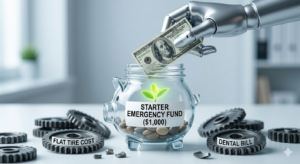
Proactive management of credit card debt can save money and reduce stress. Consumers should aim to pay more than the minimum, consider balance transfers or debt consolidation, maintain a strict budget, and build an emergency fund covering 3–6 months of expenses.
Example: A 1,000-dollar balance with a minimum payment of 2 percent would take 5.2 years to repay with 320 dollars in interest. Paying 50 dollars per month shortens repayment to 2.5 years with 235 dollars in interest. Increasing monthly payments to 100 dollars clears the debt in 1 year with only 90 dollars in interest.
| Monthly Payment | Time to Pay Off | Interest Paid |
|---|---|---|
| Minimum (2%) | 5.2 years | 320 |
| 50 | 2.5 years | 235 |
| 100 | 1 year | 90 |
Financial Literacy
Financial literacy significantly influences credit card debt levels. Consumers with low financial literacy carry average balances of around 4,500 dollars, while medium-literacy individuals carry approximately 3,000 dollars. Highly literate consumers maintain lower balances, around 2,000 dollars, and fewer of them make only minimum payments. Improving financial education, particularly among young adults, is crucial for preventing high debt accumulation.
Psychological and Behavioral Effects
High credit card debt is linked to stress and anxiety. Financial strain can reduce discretionary spending and limit quality of life. In extreme cases, consumers may turn to high-interest loans or risky financial behaviors, perpetuating a cycle of debt. Addressing the emotional and psychological aspects of debt is as important as implementing repayment strategies.
Case Studies
Consider a young professional with a 3,000-dollar balance paying only the 3 percent minimum at a 20 percent APR. Without increasing payments, it could take over seven years to repay and cost 650 dollars in interest. By increasing monthly payments to 200 dollars, the debt is eliminated in 1.5 years, saving over 500 dollars.
A middle-aged family with 10,000 dollars in combined credit card debt consolidated it using a 12 percent APR balance transfer. Paying 500 dollars per month reduced repayment time from eight years to two years, saving approximately 4,000 dollars in interest. These examples highlight how strategic repayment can dramatically reduce debt cost and duration.

Economic Implications
Rising credit card debt affects the broader economy. Heavily indebted households may reduce discretionary spending, slowing economic growth. High debt can limit household savings and retirement contributions, while increased defaults can affect banks and financial institutions. Monitoring trends in credit card debt is critical for both policymakers and financial institutions.
Conclusion
Credit card debt in 2025 continues to rise due to higher interest rates, inflation, and evolving consumer behavior. Consumers can mitigate these challenges by paying more than the minimum, consolidating debt where appropriate, budgeting effectively, building an emergency fund, and improving financial literacy. Strategic repayment reduces stress, avoids unnecessary interest payments, and promotes long-term financial stability.
Frequently Asked Questions (FAQs)
One of the most common money mistakes people make in their 20s is ignoring the importance of saving early. Many young adults assume they will “start later,” underestimating how powerful time and compound interest can be. Another frequent mistake is living paycheck to paycheck despite having opportunities to save small amounts. Additionally, not having a basic budget leads to poor spending decisions, lack of financial awareness, and difficulty planning for future goals.
Why is credit card misuse a major financial mistake?
Credit card misuse is a major financial mistake because high interest rates can cause balances to grow rapidly. In your 20s, it is easy to rely on credit cards for convenience or lifestyle spending without fully understanding the long-term cost of carrying debt. Without a clear repayment strategy, minimum payments barely reduce the balance, keeping people trapped in debt for years and limiting future financial opportunities such as buying a home or investing.
How does lifestyle inflation affect finances in your 20s?
Lifestyle inflation occurs when spending increases alongside income increases. While earning more money often leads to better living conditions, many people upgrade their lifestyle too quickly—spending more on housing, travel, and entertainment without increasing savings. This habit makes it difficult to build wealth because higher income does not translate into financial security, leaving individuals financially vulnerable despite earning more.
Can money mistakes in your 20s be fixed later?
Yes, money mistakes made in your 20s can be fixed, but correcting them later often requires more discipline and effort. Delayed saving and investing mean lost time that cannot be recovered, especially when it comes to compound growth. While it is never too late to improve financial habits, starting earlier reduces stress, increases flexibility, and provides more options later in life.
What lessons can prevent repeating these money mistakes?
The most important lessons include learning how to budget effectively, saving consistently—even in small amounts—and understanding basic personal finance concepts such as interest rates, debt management, and investing. Building awareness around spending habits and setting clear financial goals can help prevent repeating the same mistakes and lead to long-term financial stability.