Common Mistakes When Investing Money: The Costly Errors That Hold Most People Back And How to Avoid Them

Investing money is one of the most powerful ways to build wealth over time. However, for many people, the experience is disappointing, frustrating, and sometimes financially painful. The reason is not that investing is inherently risky or complicated, but that beginners often make the same avoidable mistakes again and again.
Understanding the most common investing mistakes before you start can save you years of poor decisions, unnecessary losses, and emotional stress. In this guide, we’ll break down the errors that cause most people to lose money, explain why they happen, and show you how to avoid them with a clear, structured approach.
This article is designed for complete beginners, using simple language and practical explanations—no financial background required.
Why Most People Lose Money When They Start Investing
Many first-time investors believe that success in investing comes from luck, insider tips, or perfect market timing. In reality, long-term investing success depends far more on discipline, planning, and behavior than on intelligence or technical knowledge.
Most losses occur not because the market is “rigged,” but because people:
- Invest without a plan
- Let emotions control decisions
- Take risks they don’t fully understand
- Focus on short-term results instead of long-term goals
The good news is that these mistakes are predictable and preventable.
Mistake #1: Investing Without Clear Goals or a Defined Plan
What Happens When You Invest “Just to Try It”
One of the most common mistakes when investing money is starting without knowing why you are investing in the first place. Many people invest simply because they heard it was a good idea, saw others making money, or felt pressure to “do something” with their savings.
Without clear goals, investors tend to:
- Jump between investments
- Panic during market downturns
- Take inconsistent levels of risk
- Quit investing too early
Investing without a plan is like starting a journey without a destination—you may move, but not in the right direction.
How to Define Your Investment Goals
| Before You Start Investing | Before investing a single dollar, clarify your purpose and limits. |
| Ask Yourself: | – What am I investing for? (retirement, house, financial freedom, education) – When will I need this money? – How much risk can I realistically tolerate? |
| Key Insight | Clear goals provide direction, patience, and emotional stability — especially when markets become volatile. |
Mistake #2: Thinking Only in the Short Term
Investing vs. Speculating
Many beginners confuse investing with speculation. Investing focuses on long-term value growth, while speculation aims to profit from short-term price movements.
Short-term thinking often leads to:
- Overtrading
- Chasing trends
- Reacting emotionally to news
- Selling at losses during market drops
Markets are unpredictable in the short term but historically reliable over long periods.
The Power of Time and Compound Growth
Time is one of the most important factors in investing. Compounding allows returns to generate additional returns, creating exponential growth over years or decades.
By focusing on short-term results, investors sacrifice the greatest advantage they have: time in the market.
Mistake #3: Not Diversifying Your Money
Why Putting Everything in One Investment Is Dangerous
Lack of diversification is one of the fastest ways to destroy an investment portfolio. Concentrating all your money in one stock, sector, or asset exposes you to unnecessary risk.
If that single investment fails, your entire portfolio suffers.
What Diversification Really Means
True diversification involves spreading investments across:
- Different asset classes (stocks, bonds, real estate, cash)
- Industries and sectors
- Geographic regions
Diversification doesn’t eliminate risk, but it reduces the impact of any single failure, making your portfolio more stable.

Mistake #4: Letting Emotions Drive Investment Decisions
Fear and Greed: The Two Biggest Enemies
| Emotions in Investing | Emotions are responsible for many poor investment decisions. Fear causes selling during downturns, while greed pushes buying overpriced assets during market highs. |
| Common Emotional Behaviors | – Panic selling during crashes – Buying based on hype or social media – Holding losing investments out of hope |
How to Avoid Buying High and Selling Low
The key to emotional control is structure:
- Follow a predefined investment plan
- Automate contributions when possible
- Avoid constant market monitoring
Successful investors act systematically, not emotionally.
Mistake #5: Investing in Things You Don’t Understand
The Danger of Following Trends and “Hot Tips”
Many people invest in assets they don’t understand simply because:
- A friend recommended it
- It’s trending online
- It promises fast returns
This often leads to poor decisions and unexpected losses when markets move against expectations.
A Simple Rule Before You Invest
Never invest in something unless you can explain:
- How it generates returns
- What risks are involved
- What could cause it to fail
Understanding doesn’t require expertise—but it does require basic clarity.
Mistake #6: Ignoring Fees, Taxes, and Hidden Costs
| How Costs Reduce Real Returns | Even small fees can significantly reduce long-term investment returns. Many investors focus only on returns and ignore what they’re paying to achieve them. |
| Common Costs | – Management fees – Trading commissions – Taxes – Inflation impact |
| What to Check Before Investing | – Expense ratios – Transaction costs – Tax implications – Liquidity restrictions |
Mistake #7: Not Properly Understanding Risk
Risk Is More Than Just Losing Money
Risk includes:
- Volatility
- Inflation risk
- Liquidity risk
- Opportunity cost
Some investments feel “safe” but lose value over time due to inflation or missed opportunities.
The Risk-Return Relationship
Higher potential returns usually come with higher risk. Understanding this relationship helps you choose investments aligned with your comfort level and goals.
Mistake #8: Investing Money You Can’t Afford to Lose
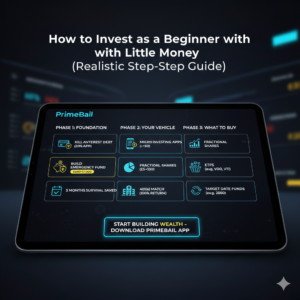
| Emergency Funds and Liquidity | Before investing, it’s critical to have financial safety in place. |
| Essentials Before Investing | – An emergency fund (3–6 months of expenses) – Access to cash for short-term needs – Avoid investing money you may need soon to prevent selling at the worst time |
| When You Should Not Invest | – You have high-interest debt – You lack emergency savings – Your income is unstable |
How to Avoid These Common Investing Mistakes (Practical Checklist)
To invest wisely:
- Define clear goals and timelines
- Think long-term
- Diversify your portfolio
- Control emotions with structure
- Understand what you invest in
- Minimize costs
- Assess risk realistically
- Invest only surplus money
Consistency matters more than perfection.
Conclusion
Most investing mistakes are not technical—they are behavioral. By avoiding the common errors discussed above, you dramatically increase your chances of long-term success.
Investing is not about predicting markets, finding secret strategies, or getting rich quickly. It’s about patience, structure, and making fewer bad decisions over time.
When done correctly, investing becomes a powerful tool for financial independence rather than a source of stress.
Frequently Asked Questions (FAQs)
What is the most common mistake when investing money?
The most common mistake is investing without clear goals or a plan, which leads to emotional decisions and inconsistent risk-taking.
Can beginners invest without financial knowledge?
Yes, beginners can invest successfully by focusing on simple strategies, understanding basic concepts, and avoiding complex products.
Is it better to start investing with a small amount?
Yes. Starting small allows you to learn, build habits, and gain confidence while minimizing risk.
How important is diversification for beginners?
Diversification is essential. It reduces risk and protects your portfolio from the failure of individual investments.
When is the best time to start investing?
The best time to start is as soon as you have a financial plan, emergency savings, and money you won’t need in the short term.