Ultimate Guide to Saving Money: Practical Tricks to Save More Without Sacrificing Your Life
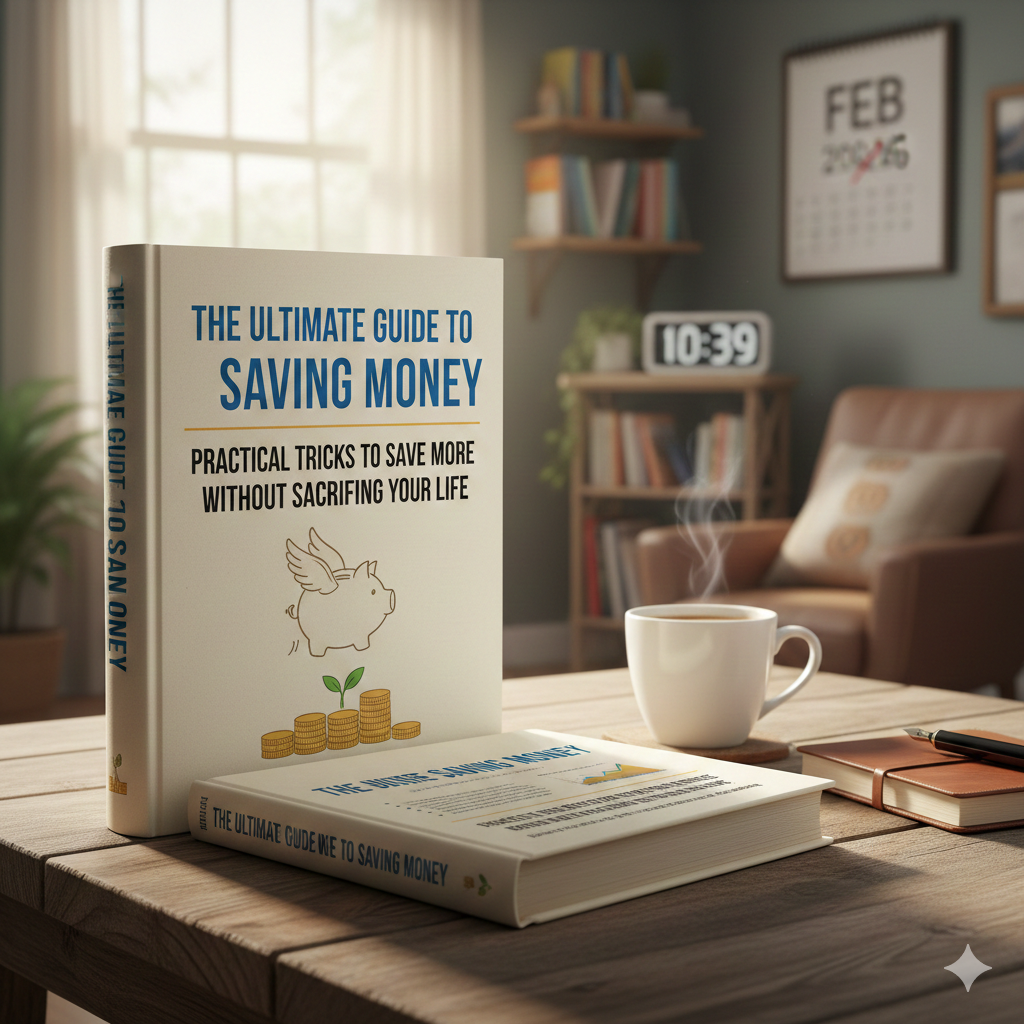
Saving money is one of the most common financial goals, yet one of the hardest habits to maintain. Many people feel frustrated because they try to save, fail, and then assume the problem is a lack of discipline. In reality, the issue is rarely about motivation. It’s about systems, habits, and understanding how money decisions actually work.
Modern life makes saving more difficult than ever. Subscriptions, digital payments, targeted ads, and easy credit remove the friction that once helped people control spending. When money becomes invisible, it becomes easy to overspend without noticing.
This guide is designed to change that. It focuses on realistic, proven, and sustainable money-saving tricks that work in everyday life. You don’t need to give up everything you enjoy. You don’t need extreme frugality. You need awareness, structure, and smarter habits.
How Saving Money Really Works: The Foundation Before the Tricks
Before exploring specific money-saving techniques, it’s important to understand a fundamental truth:
People who save money successfully don’t try harder — they design better systems.
Saving money works when:
Decisions are made in advance
Good habits are automatic
Bad habits become inconvenient
The goal is not to rely on willpower, but to reduce the number of daily decisions that drain your finances.
Awareness-Based Tricks: Save Money by Understanding Your Behavior
| Track Your Spending Without Judging Yourself | One of the most powerful saving techniques is tracking expenses — not to restrict yourself, but to observe. |
| Common Discoveries: | – How much small purchases add up – How often money leaks in unnoticed ways – Which expenses bring real value and which don’t |
| Key Insight | Tracking creates awareness, and awareness naturally leads to better choices. |
Identify Your “Money Leaks”
Money leaks are small, recurring expenses that feel insignificant but accumulate over time:
- Daily coffee
- App subscriptions
- Food delivery fees
- Convenience purchases
You don’t need to eliminate all money leaks. You only need to eliminate the ones that don’t add real value to your life.
Daily Money-Saving Tricks That Require Minimal Effort
Pay Yourself First (Even If It’s Small)
One of the most effective saving tricks is reversing the traditional logic. Instead of saving what’s left after spending, you save first and spend what remains.
This works because:
- You adapt quickly to available money
- Saving becomes automatic
- You stop relying on discipline
Even saving a small percentage builds consistency and confidence.
Use the 24-Hour Rule for Impulse Purchases
Impulse buying is one of the biggest enemies of saving money.
The rule is simple:
If the purchase is not essential, wait 24 hours
Most impulse desires disappear with time. This habit alone can prevent hundreds or thousands in unnecessary spending each year.
Make Spending Slightly Inconvenient
Convenience increases spending. Small barriers reduce it.
| Examples | – Removing saved card details from websites – Using cash for problem categories – Keeping savings in a separate account |
The goal is not punishment, but friction.
Smart Shopping Strategies That Save Money Consistently
Always Shop With a List
Whether it’s groceries, clothing, or online shopping, a list provides direction and limits emotional purchases.
People who shop with a list:
Spend less
Waste less
This habit alone creates noticeable savings.

Compare Prices and Question “Urgency”
Retailers often create artificial urgency:
- Limited-time offers
- Flash sales
- “Only a few left”
Pausing to compare prices and question urgency helps avoid emotional decisions.
Choose Generic Brands When Quality Is Similar
Brand loyalty often costs money without adding value. Many store-brand products offer comparable quality at a lower price.
A smart approach:
Test alternatives
Keep what works
Drop what doesn’t
Monthly and Recurring Savings Tricks That Add Up Fast
Review Subscriptions Every 3 Months
| Managing Subscriptions | Subscriptions are dangerous because they are automatic and often invisible in your budget. |
| Action Steps | – Review all subscriptions – Cancel unused or rarely used ones – Downgrade plans when possible |
Negotiate Fixed Bills
Many people never negotiate:
- Internet
- Phone plans
- Insurance
- Streaming services
A simple call or email asking for better terms can reduce monthly expenses without changing lifestyle.
Set Spending Limits by Category
Instead of vague goals like “spend less,” set clear limits:
Dining out
Entertainment
Shopping
Clear boundaries reduce decision fatigue and overspending.
Psychological Tricks That Make Saving Money Easier
Separate Your Savings From Daily Spending
Keeping savings in a different account creates mental separation. When money is harder to access, it’s less likely to be spent impulsively.
This simple trick increases saving success dramatically.
Use Cash for Emotional Spending Areas
Cash creates awareness. When you physically hand over money, spending feels more real.
Cash works especially well for:
Dining out
Entertainment
Personal shopping
Redefine Rewards and Comfort Spending
Many people spend money as a form of reward or stress relief. Redefining rewards can reduce emotional spending:
- Free experiences
- Rest and time
- Activities instead of purchases
Long-Term Saving Strategies for Financial Stability
Build and Protect an Emergency Fund
An emergency fund prevents small problems from becoming financial disasters.
Benefits include:
- Reduced stress
- Less reliance on credit
- More financial confidence
Start small and build gradually.
Avoid Lifestyle Inflation
When income increases, spending often increases automatically. This prevents progress.
A better approach:
- Increase savings first
- Upgrade selectively
- Avoid automatic lifestyle upgrades
Focus on Systems, Not Perfection
Saving money is not about never making mistakes. It’s about having a system that works even when motivation is low.
| Everyday Money-Saving Strategies | Simple actions in daily life can help stretch your budget and build financial stability. |
| Habits | – Planning meals – Reducing food waste – Delaying upgrades – Repairing instead of replacing – Borrowing instead of buying – Tracking progress monthly |
Progress beats perfection every time.
Simple Habits That Save Money Over the Long Term
Each habit alone seems small. Together, they create powerful financial change.
Advanced But Beginner-Friendly Saving Techniques
Use Challenges and Short-Term Goals
Short challenges (30-day no-spend challenges, savings challenges) build awareness and reset habits.
Automate Increases in Savings
When income increases, automatically increase savings before lifestyle changes.
Create “Sinking Funds” for Predictable Expenses
Sinking funds help you prepare for:
- Holidays
- Car repairs
- Annual bills
This reduces financial stress and debt reliance.
Conclusion
Saving money doesn’t require extreme discipline or a perfect income. It requires understanding how spending decisions are made and designing systems that work for you, not against you.
Small changes, applied consistently, lead to meaningful results. You don’t need to change everything at once. You only need to start.
Saving money is not about restriction. It’s about freedom.
Frequently Asked Questions (FAQs)
How can I save money if I live paycheck to paycheck?
Start with awareness and small habits. Even minimal savings build discipline and control.
Is saving money about cutting all enjoyment?
No. Sustainable saving includes enjoyment. The goal is balance, not deprivation.
What is the fastest way to save money?
Automating savings and eliminating unnecessary subscriptions produce quick results.
How much should I save each month?
There is no universal rule. Start with what’s realistic and increase gradually.
Why does saving money feel so difficult?
Because modern systems encourage spending. Saving becomes easier when you redesign your environment.




I really like this news, as it helps me a lot in improving my finances; good article.