Mobile Payments: Instant Mobile Payments Drive Young People to Prefer Fee-Free Bank Accounts
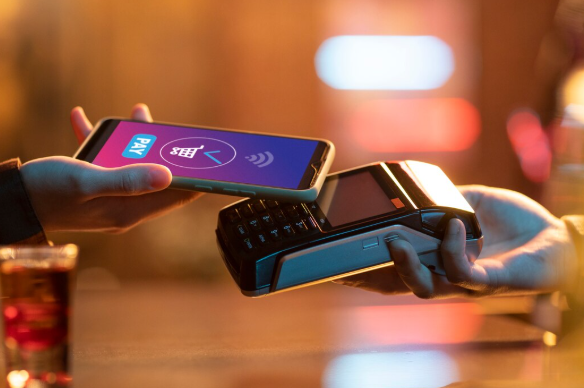
The rise of instant mobile payments is transforming the way young people interact with financial services. Increasingly, they prefer to manage their finances digitally, avoiding traditional bank branches and slow processes. They seek speed, 24/7 availability, and products free of fees.
This trend is driving the adoption of fee-free bank accounts and solidifying digital banking as the first choice for connected generations.
What Young Users Look For
Young consumers prioritize convenience, speed, and transparency when using financial services. Their main demands include:
- Instant Transfers: Sending and receiving money within seconds, bypassing traditional banking delays.
- Virtual Cards: Enhanced security and ease for online and mobile payments.
- 100% Digital Management: Conducting all operations directly from their smartphone.
- No Fees or In-Person Procedures: Avoiding unnecessary costs and trips to bank branches.
In general, the most successful model combines simple, fast, and cost-transparent banking, offering a complete and satisfying user experience.ario.

Key Benefits for Young Users
| Feature | Benefit |
|---|---|
| Instant Payments | Speed and full financial control |
| Virtual Cards | Security and flexibility for digital purchases |
| Digital Management | 24/7 availability and time savings |
| Fee-Free Accounts | Greater savings and transparency |
These characteristics explain why young people increasingly choose digital fee-free accounts over traditional banking models.
Structural Shift in Financial Consumption
The growth of instant payments represents more than a technological trend—it marks a structural shift in financial behavior:
- Real-Time Payments → Digital Adoption: Young people rely more on mobile services for daily transactions.
- Increased Fee-Free Account Adoption: Simplicity and zero cost are decisive criteria when choosing a bank.
- Reduced In-Person Services: Visits to traditional branches are decreasing, limited only to exceptional cases.
This change highlights that digital banking is becoming the norm, particularly among consumers who prioritize speed and convenience.
Response from the Banking Sector
Traditional banks face significant challenges and must adapt quickly:
- Enhancing Mobile Experience: Intuitive interfaces, fast processes, and real-time notifications.
- Adapting Product Offerings: Developing fee-free accounts, virtual cards, and simple financial products.
- Competing with Fintechs: The agility and innovation of fintech companies push banks to modernize services.
Many banks have started implementing instant payment platforms, integrating digital wallets, automatic saving features, investment tools, and financial management in a single app.
Examples of Bank Adaptation
| Traditional Bank | Strategy Adopted | Expected Outcome |
|---|---|---|
| Bank A | Launch of app with instant transfers and virtual cards | Greater adoption by young users |
| Bank B | Elimination of fees in basic accounts and process simplification | Customer retention and loyalty |
| Bank C | Integration of automatic savings and investment features | Competitive advantage against fintechs |
These actions reflect the pressure to modernize traditional banking and align with young users’ preferences.
Advantages for Consumers
Digitalization of payments and account management provides tangible benefits for young users:
- 24/7 Availability: Conduct transactions anytime, anywhere.
- Full Control: Instant tracking of expenses, income, and financial movements.
- Advanced Security: Virtual cards and multi-factor authentication protect financial information.
- Transparency: Clear fees, limits, and conditions of financial products.
- Effective Savings: Elimination of hidden fees and unnecessary costs.
These benefits explain the rapid adoption of fee-free accounts and instant payments among young users.
Risks and Considerations
Despite the advantages, some aspects require careful management:
| Risk | Description | Recommended Measure |
|---|---|---|
| Data Security | Concentration of financial information in a single app | Multi-factor authentication and advanced encryption |
| Technology Dependence | Platform failures may affect operations | Backup systems and 24/7 support |
| Financial Education | Young users may be unaware of associated risks | Incorporate guides and tutorials within the app |
User trust will be critical for the continued growth and consolidation of these digital solutions.

Looking Ahead
Experts predict that mobile payments will continue to solidify digital banking as the first choice for young people, reinforcing simple, transparent, and fee-free products.
Key trends to watch:
- AI Integration: Personalized recommendations for saving and investing.
- Expansion of Digital Services: Payments, investments, insurance, and financial planning integrated into a single app.
- More Intuitive Interfaces: User experiences focused on simplicity and speed.
The future of banking is oriented toward complete mobile experiences, where the smartphone becomes the user’s central financial control hub.
Conclusion
The rise of instant mobile payments is redefining banking, especially among young consumers. Fee-free account openings, 24/7 availability, and ease of use are establishing digital banking as the first choice.
Banks that meet these expectations with simple, secure, and transparent products will gain a competitive advantage over fintechs and traditional competitors.
The shift toward mobile payments and fully digital financial management is irreversible, with the younger generation leading the way into a new era of digital banking.
Frequently Asked Questions (FAQs)
What are instant mobile payments and how do they work?
Instant mobile payments are financial transactions that are made through mobile applications and processed in real time, allowing the money to reach the recipient in a matter of seconds. They work through digital platforms connected directly to bank accounts or electronic wallets, eliminating the need for traditional intermediaries. This type of payment has become popular thanks to its speed, ease of use and availability 24 hours a day.
Why do young people prefer bank accounts without fees?
Young people usually have limited or variable incomes, so bank commissions represent an unnecessary expense. Fee-free accounts allow you to manage your money more efficiently, avoiding maintenance fees, transfers or withdrawals. In addition, these accounts are usually integrated with modern mobile applications, which best suits your digital lifestyle.
Which mobile payment applications are most used by young people?
The most used applications are usually those that allow instant transfers, payments between friends and online purchases at no additional cost. Platforms that offer intuitive interfaces, integration with digital businesses and functions such as expense history or real-time notifications are especially attractive to young users.
How do mobile payments influence the choice of a bank?
Mobile payments have become a key factor when choosing a bank. Financial institutions that offer instant transfers, compatibility with digital wallets and efficient applications tend to be more attractive. Young people prioritize digital experience over face-to-face attention, which forces banks to modernize their services.
Are instant mobile payments safe for users?
Yes, they are generally safe, since they use advanced technologies such as data encryption, biometric authentication and two-step verification systems. However, security also depends on the responsible use of the user, such as avoiding public networks and keeping applications up to date.