Budget System: A Simple Budget System That Actually Works
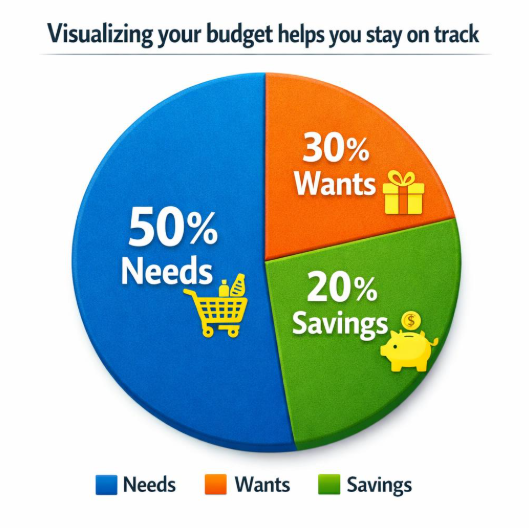
Budgeting doesn’t have to be complicated or stressful. Many people avoid it because they think it requires complex spreadsheets, apps, or hours of planning. I used to feel the same way, constantly worrying about whether I would have enough money to cover rent, groceries, and bills. Living on a tight income felt overwhelming, and I often gave up before I even started.
Over time, I discovered a simple, realistic budgeting system that fits everyday life and doesn’t require perfection. This system allowed me not only to pay my bills on time but also to save for emergencies, small goals, and unexpected expenses.
In this article, I’ll share step-by-step how I built a budget system that actually works, including the tools I use, the mindset changes that helped me stick with it, and practical tips you can apply immediately. This guide is perfect for anyone living paycheck to paycheck, students, freelancers, or anyone who wants to take control of their finances without feeling restricted.
By the end of this article, you’ll know exactly how to plan, track, and adjust your monthly budget in a way that’s sustainable and stress-free.
Step 1 – Understand Your Money
Before creating a budget, it’s essential to know exactly how much money is coming in and going out. For me, this meant writing down all sources of income and every single monthly expense:
- Income: $1,500
- Rent: $600
- Utilities (electricity, water, internet): $150
- Groceries: $250
- Transportation: $100
- Entertainment & miscellaneous: $100
- Savings / emergency fund: $50
Tracking my expenses made me realize where my money was actually going. I used a simple spreadsheet to log each expense and categorize it. Even small things, like coffee or snacks, added up.
Step 2 – Categorize Your Spending
After tracking my expenses, I divided them into three main categories:
- Needs: Rent, utilities, groceries, transportation
- Wants: Dining out, hobbies, entertainment
- Savings / investments: Emergency fund, small savings, extra debt payments
This step is crucial because it helps you see where you can adjust and focus on essentials. I realized that cutting back slightly on “wants” gave me money to boost savings without feeling restricted.
💡 Tip: Always prioritize needs and savings over wants. This mindset shift makes budgeting feel empowering rather than restrictive.
Step 3 – Set Spending Limits
Once I categorized my spending, I created fixed spending limits for each category:
| Category | Budgeted Amount |
|---|---|
| Rent | $600 |
| Utilities | $150 |
| Groceries | $250 |
| Transportation | $100 |
| Entertainment | $50 |
| Savings | $50 |
Setting limits gave me control and clarity. The most important rule: treat savings as a fixed expense. Don’t leave it as “leftover money.”
💡 Pro Tip: Small tweaks, like cooking at home or limiting subscriptions, can free up extra cash. Even $20 saved here and there adds up quickly.
Step 4 – Track Spending Daily
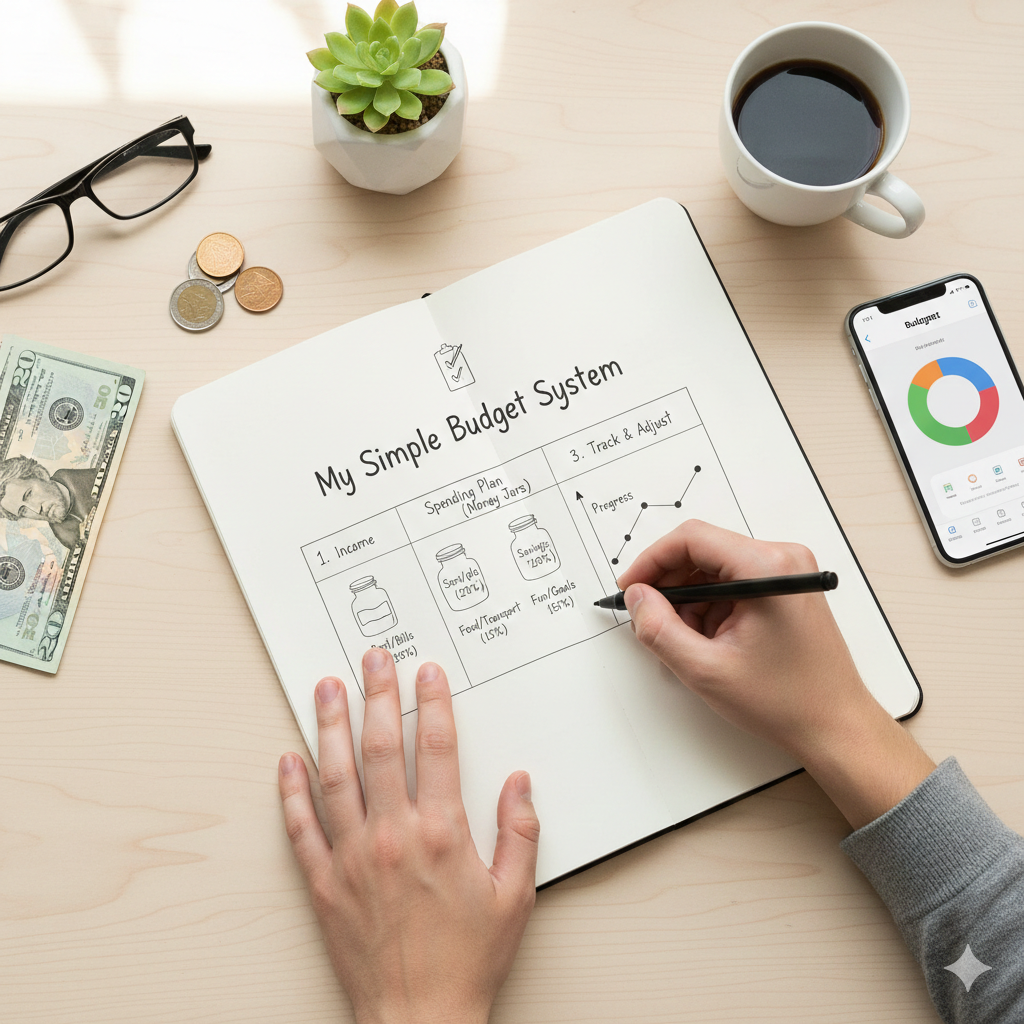
I logged every expense daily to ensure I stayed within limits. This included small purchases like coffee, snacks, or online subscriptions.
I noticed patterns immediately:
- Spending $25 per week on coffee → $100/month saved by cutting in half
- Impulse buys in “wants” category → adjusted next week
I tracked this using Google Sheets with categories and formulas. Each week, I checked totals to see if adjustments were needed.
💡 Pro Tip: Apps like Mint or YNAB are useful, but a simple spreadsheet works just as well. The key is consistency and review.
Step 5 – Adjust and Review Monthly
At the end of each month, I reviewed:
- Did I stick to my limits?
- Could I save more next month?
- Are there unnecessary expenses I can cut?
This review process ensures that your budget is flexible and realistic. I also started tracking my savings progress, even small amounts. Over time, small consistent savings created a meaningful emergency fund.
💡 Pro Tip: Celebrate small wins. Sticking to your budget for even one month is progress.
Step 6 – Keep It Simple
Simplicity is what makes a budget sustainable. I follow these rules:
- Use a single spreadsheet or notebook
- Avoid overcomplicating categories
- Focus on essentials first
- Automate savings whenever possible
The simpler your system, the more likely you are to stick with it. Overcomplicated budgets often fail because they require too much maintenance.
💡 Tip: Make your system match your lifestyle, not the other way around.
Step 7 – Extra Tips for Success
- Plan grocery shopping in advance
- Use cash envelopes for discretionary spending
- Cancel unused subscriptions
- Set realistic saving goals
- Review budget weekly, not just monthly
💡 Remember: Consistency beats perfection. Even small improvements each month lead to major results over time.
Conclusion
A simple budget system can transform how you manage money. By tracking every dollar, prioritizing essentials, and keeping it simple, I was able to pay bills, save money, and reduce financial stress.
💡 Key takeaway: Budgeting is not about restriction—it’s about control, awareness, and confidence. Start small, track consistently, adjust monthly, and your financial situation will improve steadily. Even on a limited income, you can achieve stability and peace of mind.
Frequently Asked Questions (FAQs)
What is a simple budget system and why does it work?
A simple budget system focuses on clarity and consistency rather than complexity. Instead of tracking every cent obsessively, it groups expenses into clear categories such as essentials, savings, and discretionary spending. This approach works because it is easy to maintain over time, helping people stay committed without feeling overwhelmed.
How can a simple budget system improve financial stability?
By giving you a clear overview of your income and expenses, a simple budget system helps prevent overspending and ensures that essential bills and savings goals are covered first. Over time, this leads to better control of cash flow and reduced financial stress.
Who benefits most from using a simple budget system?
This type of system is ideal for beginners, people with irregular income, or anyone who has struggled to stick to complex budgeting methods. Its flexibility makes it accessible and sustainable for long-term financial planning.
What common mistakes should be avoided when creating a budget system?
One common mistake is setting unrealistic limits that are hard to follow. Another is forgetting to review and adjust the budget regularly as expenses or income change. A successful system must evolve with your financial situation.
How often should a budget system be reviewed?
Reviewing your budget monthly is recommended. This allows you to identify problem areas, adjust spending habits, and stay aligned with your financial goals.