Personal Finance in 2026: How to Improve Your Relationship With Money Without Making It Complicated

The way we manage money has changed dramatically in recent years. In 2026, digital payments, monthly subscriptions, and instant access to credit are part of everyday life for millions of people. In this context, personal finance is no longer about getting rich fast, but about maintaining control, reducing financial stress, and making conscious decisions.
This is not a traditional financial news article. It’s a blog-style guide designed for real people with normal incomes and everyday expenses who want to improve their financial stability without complexity or unrealistic promises. The goal is to provide practical value, clarity, and a realistic approach to building a healthier relationship with money.
Why Managing Money Well Matters More Than Earning More
One of the most common financial misconceptions is believing that all money problems disappear once you earn more. While higher income can help, it does not guarantee stability without proper management. In fact, many high earners experience the same financial pressure as those with lower incomes.
When money isn’t managed properly, spending often increases at the same pace as income. This creates a constant feeling of scarcity, regardless of how much you earn. Good money management allows you to anticipate problems, plan goals, and reduce financial anxiety.
Some clear benefits of good financial management include:
- Greater peace of mind when unexpected expenses arise.
- Better decision-making without urgency or stress.
- Clear short-, medium-, and long-term financial goals.
Budgeting and Saving
| Topic | Key Points |
|---|---|
| Budgeting as a Tool for Freedom, Not Restriction | – Budgeting has a negative reputation because it is associated with strict limitations. – A good budget gives freedom by helping you decide where your money goes. – You don’t need to track every cent, but need a clear overview of income and expenses. – Understanding money flow makes it easier to adjust before problems appear. – Flexible budgets are more sustainable than rigid models. |
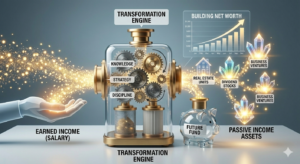
| Saving as the Foundation of Financial Stability | – Saving protects your future, not deprives you now. – Small, consistent savings have powerful long-term impact. – Emergency funds allow handling unexpected expenses without debt. – Improves peace of mind and financial decision-making. – Saving becomes transformative when it is prioritized rather than “what’s left at the end of the month.” |
Financial Organization in an Increasingly Digital World
Digitalization has simplified financial transactions, but it has also made money less tangible. Paying with a phone or one click can create a disconnect between spending and its real impact.
That’s why organizing your finances in 2026 means using technology wisely without losing conscious control over your spending habits.
1. Automating Finances to Avoid Mistakes and Forgetfulness
Automation is one of the most effective ways to maintain financial order. Scheduling payments and transfers reduces errors, prevents late fees, and removes the need for constant decision-making.
Useful automations include:
- Automatic transfers to a savings account.
- Recurring payments for essential services.
- Spending alerts when limits are exceeded.
These small systems work in the background and help maintain consistency with minimal effort.
2. Fee-Free Accounts and Daily Spending Control
The rise of digital banking has increased the popularity of fee-free accounts, especially among younger users. These accounts offer transparency and real-time spending visibility, making money management easier.
Eliminating unnecessary fees is one of the fastest ways to improve financial health. Every fixed expense removed frees up money that can be used for savings or long-term goals.
3. Example of a Simple Money Distribution
| Financial Area | Approximate Percentage | Main Purpose |
|---|---|---|
| Essential expenses | 50% | Cover basic needs |
| Personal spending | 30% | Maintain quality of life |
| Savings and investments | 20% | Build future stability |
This structure is only a guideline. Everyone should adapt it to their real situation, but it serves as a solid starting point for conscious financial decisions.
Debt: How to Live With It Without Letting It Control You
Debt is not always negative, but poor management can quickly turn it into a constant source of stress. Understanding how debt works and how to prioritize it is essential for financial balance.
Not all debt is the same. Debt related to education or housing can have long-term value, while impulsive consumer debt often creates pressure without real benefits.
1. Realistic Strategies to Reduce Debt
Reducing debt doesn’t require extreme sacrifices, but it does require consistency and planning. Setting achievable goals and manageable payments allows progress without frustration.
The most important rule is avoiding new debt while actively paying down existing obligations, always keeping a medium-term perspective.
Investing in a Simple and Responsible Way
Investing is not gambling. It is a way to protect money from inflation and build long-term stability. In 2025, investment options are more accessible than ever, even for people starting with small amounts.
1. The Importance of Diversification
Diversification means not relying on a single type of asset. Spreading money across different investments reduces risk and increases stability during market changes.
For many people, diversification also brings emotional comfort. Knowing that not all money is exposed to the same risk makes it easier to stay calm during uncertain times.
2. Beginner-Friendly Investment Options
You don’t need advanced knowledge or large capital to start investing. There are beginner-friendly options designed for gradual and low-cost participation.
Index funds and ETFs are among the most popular choices because they offer automatic diversification and long-term focus. They are suitable for people who prefer stable growth without constant monitoring.
Investing should always be approached as a long-term process where patience and consistency matter more than timing the market.
The Psychology of Money and Daily Decisions
Personal finance is not just about numbers. Emotions, beliefs, and habits strongly influence how we spend, save, and invest.
Many financial decisions are driven by impulse, social comparison, or fear. Recognizing these patterns is the first step toward changing them and developing a healthier financial mindset.
1. Developing a Healthier Money Mindset
A strong financial mindset shifts you from reacting to expenses to planning with intention. Instead of asking whether you can afford something today, it’s more useful to ask whether it aligns with your long-term goals.
This mental shift takes time, but it leads to greater consistency and control over financial decisions.
2. Small Habits That Create Big Results
Improving your finances doesn’t require radical changes. Small, consistent habits are often the most effective.
Simple actions that make a difference include:
- Reviewing finances regularly.
- Pausing before making impulsive purchases.
- Adjusting goals when life circumstances change.
Maintained over time, these habits create strong and sustainable financial foundations.
Conclusion
Improving personal finances in 2026 is not about shortcuts or quick wins. It’s about understanding your situation, making conscious decisions, and maintaining realistic habits over time.
Financial stability is built step by step through clarity, organization, and consistency. No matter where you start, every small improvement counts and brings you closer to a calmer, healthier relationship with money.
A responsible and realistic approach not only improves your finances, but also your overall well-being and confidence in planning for the future.
Frequently Asked Questions (FAQs)
Why is managing personal finance easier in 2026?
Advancements in financial technology have simplified budgeting, saving, and investing. Automation, AI-driven tools, and real-time tracking allow people to manage money efficiently without complex systems or constant manual effort.
How can someone improve their relationship with money?
Improving one’s relationship with money starts with awareness and intention. Understanding spending habits, setting realistic financial goals, and creating simple systems reduce financial anxiety and promote healthier decision-making.
What daily habits contribute to long-term financial success?
Consistent saving, mindful spending, regular financial check-ins, and maintaining an emergency fund are daily habits that compound into long-term financial stability.
Is traditional budgeting still relevant in 2026?
Budgeting remains relevant, but it has evolved. Modern budgeting focuses less on restriction and more on flexibility, automation, and aligning spending with personal values.
How does mindset influence financial outcomes?
A healthy financial mindset helps individuals avoid emotional spending, stay disciplined during economic uncertainty, and make confident, informed financial decisions.